New York City DSA co-chair defends socialism, says economy is ‘not working’
NYC-DSA co-chair Grace Mausser argues that capitalism is failing many Americans who cannot afford housing, childcare or education. She advocates for economic populism and draws lessons from successful policies in American history, such as the New Deal, as well as those implemented in other countries. Mausser stresses the need for policies like universal healthcare.
NEWYou can now listen to Fox News articles!
The Democratic Socialists of America is seeking to reshape some of the most basic features of the U.S. economy — from who owns major corporations to how long Americans work and whether families pay for healthcare, college and housing.
The agenda is drawing renewed scrutiny after DSA-backed candidates gained ground in the 2026 midterm primaries and progressive socialism became a central Republican target at the GOP’s first-ever midterm convention in Dallas.
Below are some of the biggest economic proposals in the platform.
Public ownership of major corporations and industries

The Democratic Socialists of America says major corporations and key industries should be publicly owned rather than privately controlled. (Spencer Platt/Getty Images)
DSA calls for public ownership of major corporations and essential industries, arguing public ownership would give Americans greater democratic control over the economy.
Adam Lehodey, a policy expert at the Manhattan Institute, said nationalizing major corporations would cost billions of dollars and shift accountability from customers to government officials.
‘WASTEFUL DISTRACTION’: EXPERTS SLAM MAMDANI’S TAXPAYER-FUNDED STORES
He argued nationalized industries have historically suffered from waste, corruption and lower productivity, adding that reducing regulations would be a better way to encourage competition.
A 32-hour workweek with full pay

The Democratic Socialists of America says full-time employees should work 32 hours a week without a reduction in pay or benefits. (iStock)
DSA also wants to establish a 32-hour workweek without reducing workers’ pay or benefits, effectively giving full-time employees an additional day away from work while preserving their compensation.
The proposal is paired with a living minimum wage, paid family leave and stronger protections for workers to form unions and strike.
TRUMP DANGLES $5,000 CHECKS AS DEBT SURGES — BUT ONLY IF GOP CAN CLEAR MAJOR MIDTERM HURDLE
The agenda does not explain how a shorter workweek would be implemented across industries or how businesses would be expected to absorb the additional labor costs.
Lehodey said a 32-hour workweek without higher productivity could increase labor costs and reduce economic output.
Universal healthcare, housing and education

The Democratic Socialists of America says healthcare should be provided at no cost to individuals under its platform. (iStock)
Among DSA’s biggest proposals are universal healthcare, publicly owned social housing, free public education through college and cancellation of all student debt.
Together, the proposals would shift a much larger share of healthcare, housing and education costs from individuals to the federal government.
A Cato Institute analysis estimated that a Medicare-for-All-style healthcare system alone could increase federal spending by between $40 trillion and $75 trillion over a decade, though the estimate is not specific to DSA’s proposal.
Higher taxes on wealthy Americans and corporations
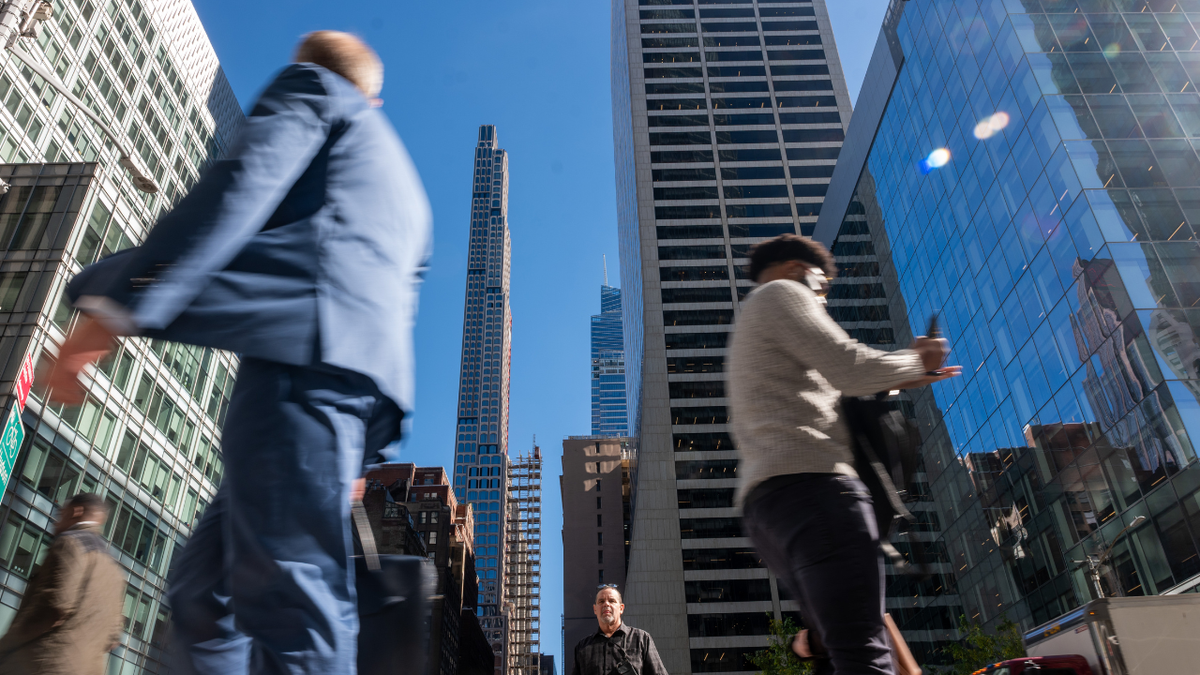
DSA’s platform calls for higher taxes on wealthy Americans and corporations to help fund its broader economic agenda. (Spencer Platt/Getty Images)
DSA says wealthy Americans and large corporations should shoulder more of the cost of its vision.
The platform calls for “aggressive wealth taxes” on the richest individuals and corporations, with the proceeds directed toward public goods and infrastructure.
CLICK HERE TO DOWNLOAD THE FOX NEWS APP
Lehodey questioned whether wealthy taxpayers alone could finance the agenda, arguing broader taxpayers would likely bear some of the cost.
DSA’s platform does not estimate the total cost of its agenda or how much revenue its proposed tax increases would generate.