NEWYou can now listen to Fox News articles!
Iran-backed Houthi rebels struck Saudi Arabia with dozens of ballistic missiles and drones Tuesday, hitting multiple energy targets, including the facilities of the world’s largest oil company.
The attacks on Aramco, the state-owned national oil company of Saudi Arabia that produces 10 million barrels of oil per day, threaten to tighten pressure on a second critical oil route as the Middle East war continues to restrict shipping through the Strait of Hormuz.
Aramco notably supplies roughly 10% of the world’s total oil demand. And attacks on its facilities raise the risk of higher oil, shipping and transportation costs that could hit U.S. consumers in coming months — just in time for the 2026 midterm elections.
IRAN CALLS ON HOUTHIS TO PREPARE TO CUT OFF RED SEA GATEWAY — CAN THE TERROR GROUP DO IT?
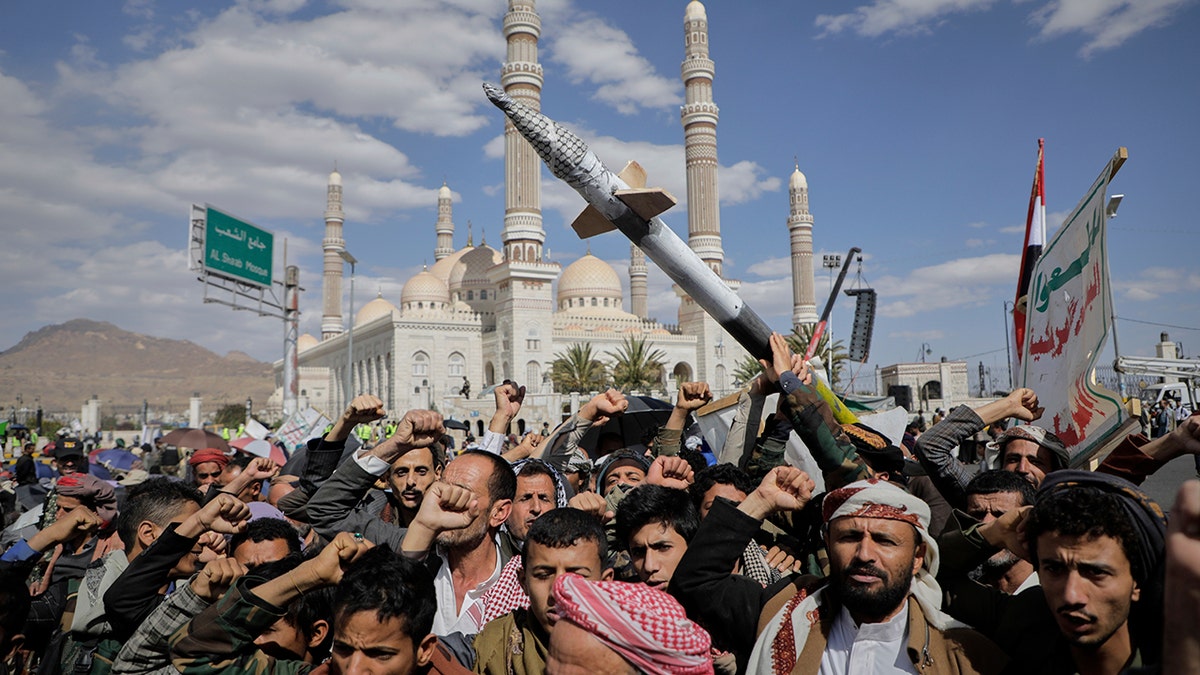
Houthi supporters chant slogans during an anti-U.S. and anti-Israel rally in Sanaa, Yemen, Monday, March 17, 2025. (AP Photo/Osamah Abdulrahman)
The attacks hit the southern Saudi Arabian cities of Jazan, Najran, Abha and Khamis Mushait, wounding 73 people and sparking fires at energy facilities and utilities that temporarily forced some operations to stop, according to Saudi officials. The Jazan site includes a refinery capable of processing roughly 400,000 barrels of crude per day, according to the Associated Press.
Tuesday’s strikes land at a particularly vulnerable moment for global energy markets. With oil flows through the Strait of Hormuz sharply reduced, Saudi Arabia has redirected more crude toward the Red Sea — increasing the importance of the Bab el-Mandeb, where the Houthis have already threatened and attacked Saudi-linked shipping.
The Energy Information Administration estimates that just 4.9 million barrels of oil and petroleum liquids moved through Hormuz per day in the second quarter of 2026, down from 21.6 million barrels per day before the conflict. Before the conflict 20% of the world’s oil moved through the consequential waterway.
Traffic through the Bab el-Mandeb, meanwhile, averaged 8.1 million barrels per day during the quarter as Saudi Arabia redirected more crude to bypass Hormuz amid ongoing conflict.
That creates a potentially costly vulnerability: renewed Houthi attacks on Saudi energy infrastructure or commercial vessels could put pressure on two crucial oil routes at once, raising the risk of higher crude, shipping and transportation costs that could eventually reach U.S. consumers.
Brent crude was trading near $99 per barrel Tuesday.
Houthi military spokesman Yahya Saree claimed responsibility for Tuesday’s strikes, saying the group had used “dozens of ballistic missiles and drones” against Aramco facilities, the Jazan industrial zone and a Saudi air base, according to Xinhua.
RUBIO ACCUSES IRAN OF FLYING IRGC PERSONNEL INTO YEMEN AS HOUTHI THREAT ESCALATES
The Houthis said the operation was retaliation for Saudi airstrikes in Yemen and threatened “stronger and wider strikes” if Riyadh’s military campaign continues.
The escalation also comes with a warning already issued by President Donald Trump.
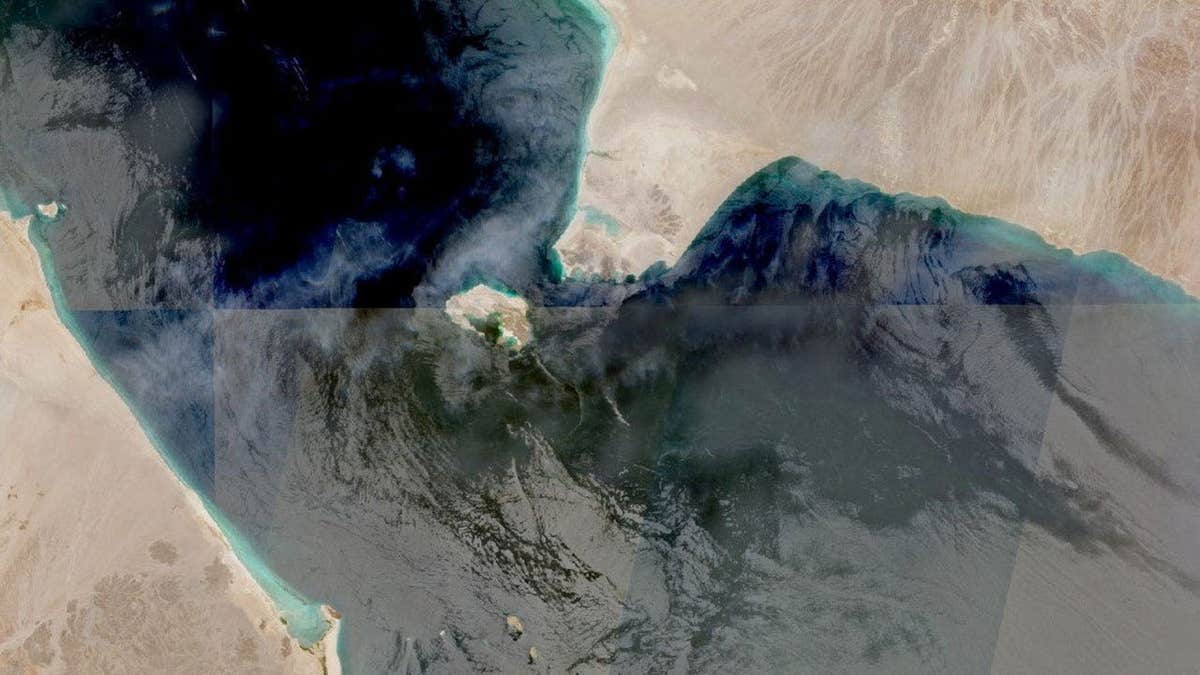
A satellite imagery shows Bab el Mandeb Strait, a key shipping waterway and the gateway to the Red Sea, as Iran threatens using Yemen’s Houthi allies to shut the Bab el-Mandeb gateway to the Red Sea, in this handout picture dated July 12, 2026. (Nasa Worldview/Handout via Reuters)
After the Houthis struck two Saudi oil tankers in the Red Sea in July, Trump said the U.S. would hold Iran responsible if the group attacked ships again and threatened “major military punishment” against both Tehran and the Houthis.
“If they do this again, the U.S. will hold Iran responsible, in that the Houthis are a Surrogate and/or Proxy of Iran, and major military punishment will be inflicted upon Iran and, of course, the Houthis, themselves,” Trump wrote on Truth Social at the time.
The warning followed the Houthis’ announcement of a maritime blockade targeting Saudi Arabia and attacks on Saudi tankers in the Red Sea. The escalation sent Brent crude above $100 per barrel amid fears that disruption could spread from the Strait of Hormuz to the Bab el-Mandeb.
The latest strikes targeted Saudi territory and energy infrastructure rather than ships, leaving unclear whether the White House considers them to cross the line Trump drew in July. It creates a new test for the administration as Houthi attacks increasingly intersect with the wider conflict over Iran and regional energy supplies.
The Trump administration has previously authorized U.S. strikes against Houthi weapons and infrastructure in Yemen in response to attacks and threats against American forces and shipping. A White House report says Trump directed those actions to defend U.S. forces and protect American national-security interests.
The U.S. Maritime Administration also maintains an active advisory warning that the Houthis continue to pose a threat to commercial vessels in the southern Red Sea, the Bab el-Mandeb and the Gulf of Aden.
From November 2023 through October 2025, the Houthis carried out more than 100 attacks on commercial vessels affecting more than 60 nations, according to the MARAD advisory. The attacks forced major shipping companies to avoid the Red Sea and reroute vessels around the Cape of Good Hope, adding time to voyages and increasing fuel, freight and insurance costs.
The Houthis renewed that threat in July when they targeted Saudi oil tankers and threatened a blockade of Saudi shipping through the Red Sea.
Saudi Arabia’s increased reliance on the route makes another sustained disruption potentially more consequential. The EIA says alternate routes used to bypass disrupted waterways are longer, more expensive and limited in capacity.
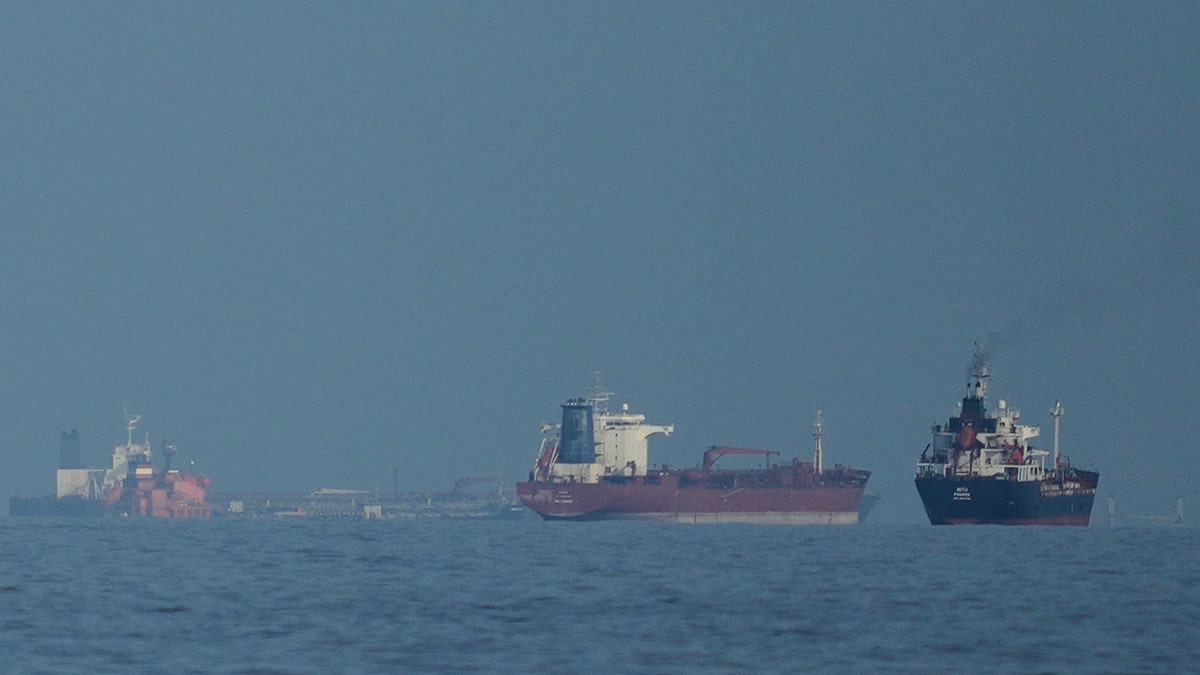
Oil tankers and cargo ships line up in the Strait of Hormuz as seen from Khor Fakkan, United Arab Emirates, Wednesday, March 11, 2026. (Altaf Qadri/AP Photo)
The latest strikes threaten to revive pressure on the Red Sea route just as the Iran conflict has made the Persian Gulf route more difficult to use. The Houthis may lack the capability to permanently close the Bab el-Mandeb, but repeated missile, drone or tanker attacks could still reduce traffic through the waterway if shipping companies determine the risks are too high.
Saudi Arabia condemned Tuesday’s strikes on civilian and economic assets and vowed to defend its territory. The Saudi-led coalition described the attacks as a “dangerous escalation” and said it would take measures to deter further attacks.
The immediate economic impact will depend on how quickly Saudi Arabia restores affected operations and whether commercial shipping continues moving through the Bab el-Mandeb.
CLICK HERE TO DOWNLOAD THE FOX NEWS APP
The next test could be whether the Houthis again target tankers or other commercial vessels. Another attack could put greater pressure on a waterway carrying an increased share of Middle Eastern oil — while also testing Trump’s warning that renewed Houthi attacks on shipping would bring U.S. retaliation against both the group and Iran.